What the law says about armed officers at polling places
Published in Political News
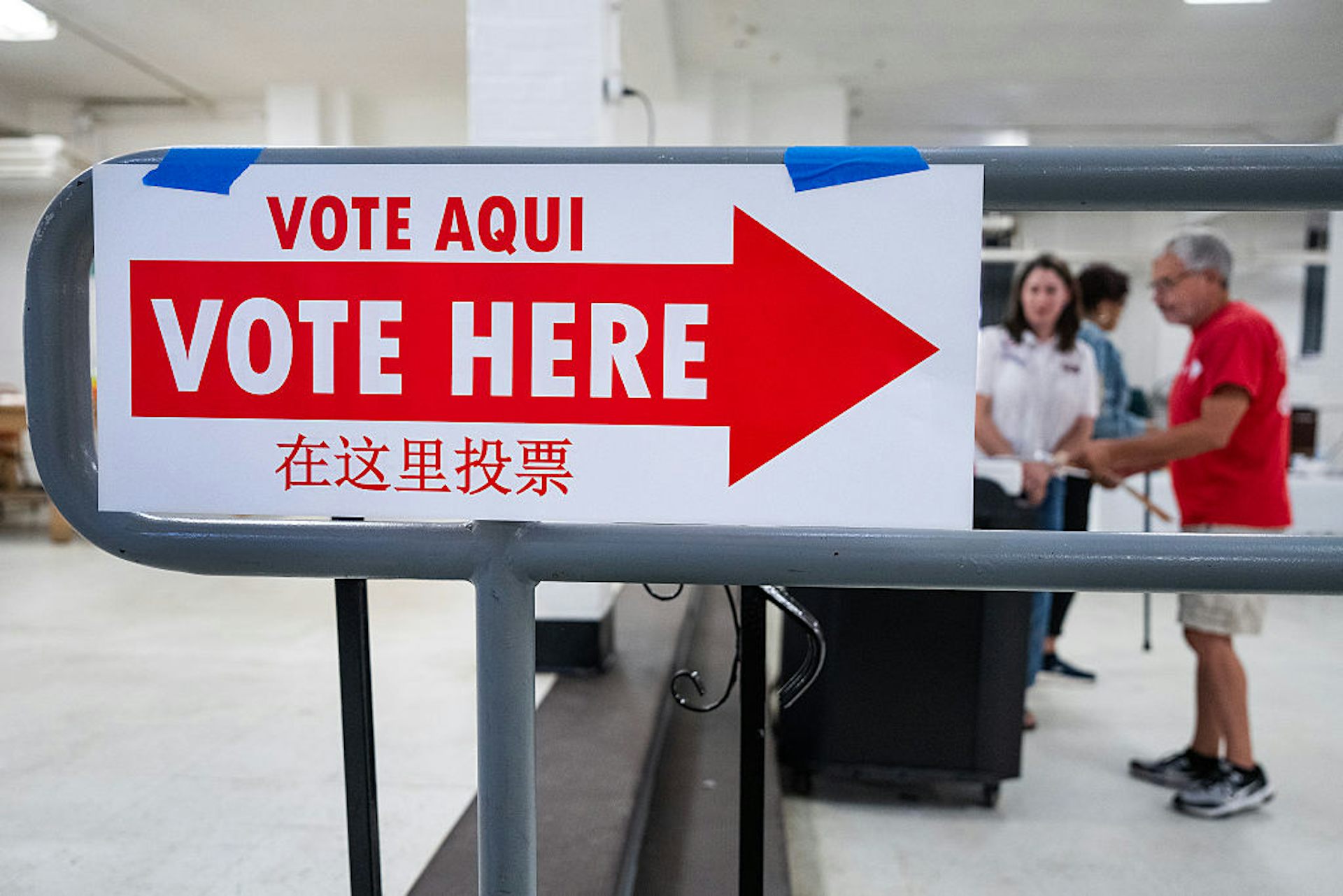
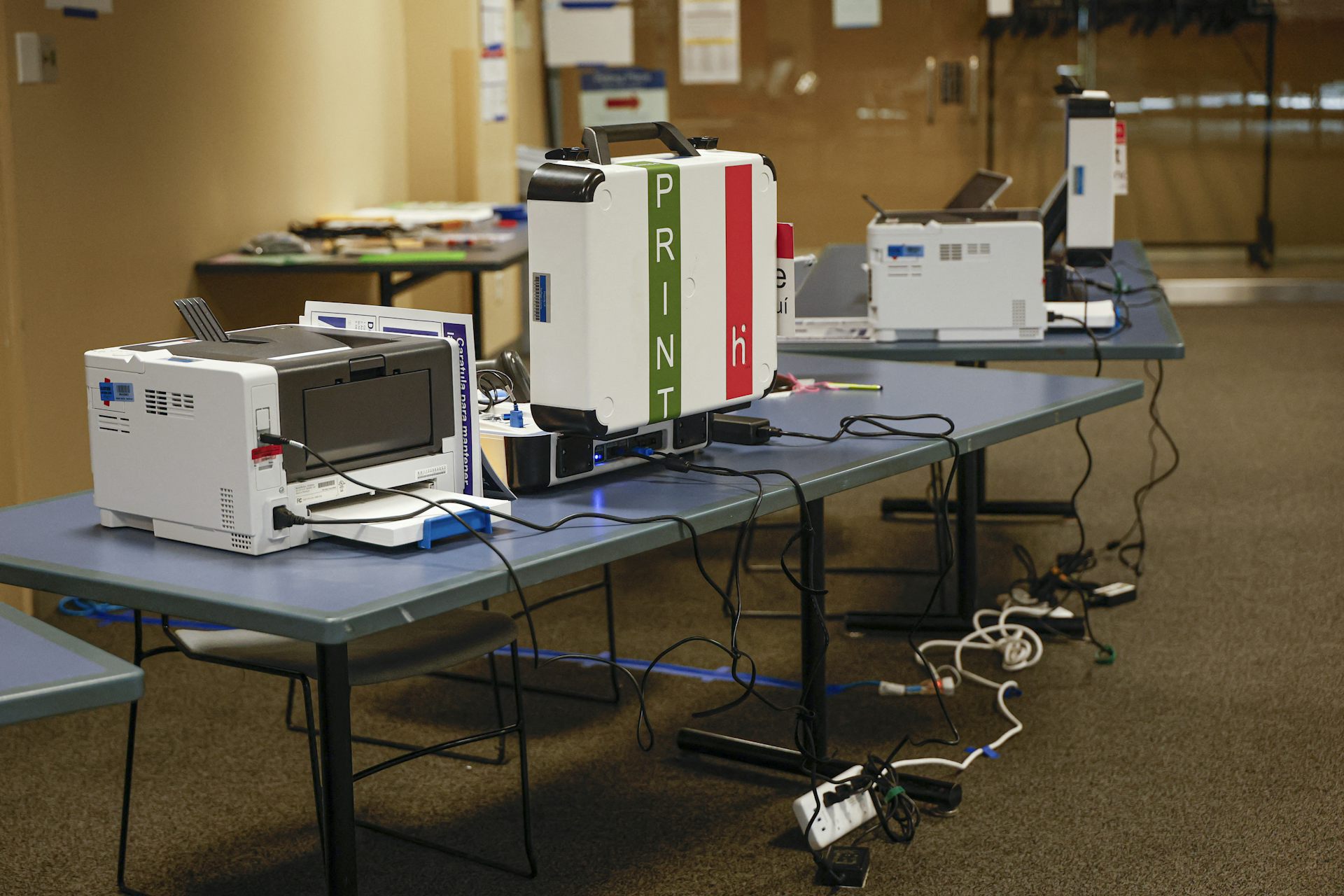
After high-level Trump administration officials said they might send armed officers to the polls during the upcoming midterm elections, and after months of administration efforts to wrest control of some aspects of voting from state officials and limit how people vote, there’s a lot of fear that armed federal officials will disrupt voting and even seize ballots. A number of civil rights and voter advocacy groups and labor unions have filed lawsuits against the Trump administration to bar any such presence, with one suit claiming that “threatening messaging and violent enforcement actions” by administration officials “have created a climate in which voters, especially voters of color, are intimidated and fearful of engaging in the democratic process.”
The Conversation asked scholar Danielle Friedman, legal director of the State Democracy Research Initiative at the University of Wisconsin Law School, to answer four fundamental questions about the law protecting voters’ rights at the polls as well as the protection of their ballots.
Federal law directly prohibits federal troops or armed officers, including federal law enforcement agents, from appearing at polling places during an election.
Other federal laws, which more broadly prohibit any intimidation of, or interference with, voters may also be applied to keep armed officials from appearing at polling places.
Despite these clear restrictions, some federal officials have suggested publicly that they still may deploy armed federal officials to polling places during the upcoming midterm elections.
For that reason, it is important to remember that state laws also likely prohibit armed officials from appearing at polling places. The specific law in each state varies, but all states have some restrictions on behavior at or near polling locations that are intended to ensure that voters can cast a ballot free from intimidation.
Similar to federal law, some states have laws directly prohibiting armed officials at polling places. Others have more broad statutes prohibiting any kind of intimidating behavior.
Many states also prohibit any person from having a firearm at or near a polling location. These laws may apply to armed officials in the same way that they apply to other individuals.
The answer to this question will depend on state law. But in many cases, local police may only be at a polling location if a local election official has specifically requested the presence of law enforcement.
That may happen if, for example, there is an emergency at the polling place and local police are called to help de-escalate the situation. In many states, when the local police are called to assist with a situation, they are required to follow the orders of the local election officials when they arrive.
If a voter sees armed officials at a polling place, they should alert the election officials at the polling place right away. Election officials have specific procedures to follow to report the situation and have it appropriately handled in an efficient manner.
Depending on the nature of the situation, the voter may also want to document the behavior that they see and provide that information to the election official at the appropriate time.
There are many laws that may ultimately apply to the seizure of ballots, but the most critical are the very specific laws in every state about the chain of custody of ballots.
Chain of custody refers to rules that make clear who can have access to ballots both before an election and after each ballot has been cast. The reason for these rules is obvious: Ensuring that only certain individuals have access to the ballots used in an election protects the integrity of that election and ensures that there is no interference from outside actors in the ultimate result.
A seizure of ballots by law enforcement would likely violate these chain of custody laws and could undermine the integrity of the election results that they are intended to protect.
A recent case in California helps to illustrate these issues. A sheriff in Riverside County seized hundreds of thousands of ballots cast in connection with a special election, claiming that there were anomalies in the results that had not been fully explained.
This action by the sheriff was challenged by, among others, voters in Riverside County who argued that it violated the state’s chain of custody rules. The California Supreme Court agreed.
Importantly, the state Supreme Court also noted that this does not mean that there is nothing to be done about allegations or issues related to an election. The law in California, and in all states, provides many options for citizens or officials in those cases – seizure of ballots by law enforcement officials is simply not one of them.
The seizure in Riverside County was in connection with a past election, but the case provides an important road map for courts that may be confronted with these issues in the context of an ongoing election in November. Adherence to the chain of custody laws is even more critical before an official result has been certified, and legal experts have encouraged judges to scrutinize warrant applications for ballots especially closely.
This article is republished from The Conversation, a nonprofit, independent news organization bringing you facts and trustworthy analysis to help you make sense of our complex world. It was written by: Danielle Friedman, University of Wisconsin-Madison
Read more:
Primary voters are unrepresentative, inconsistent and very powerful
We’ve tracked M of spending on almost 170 AI‑generated political ads this year – it’s weird
Vigilantes at the polls were a threat in the 19th century, too, but the laws put in place then may not work in 2022
Danielle Friedman does not work for, consult, own shares in or receive funding from any company or organization that would benefit from this article, and has disclosed no relevant affiliations beyond their academic appointment.










































Comments