Are you eating too much fiber?
Published in Health & Fitness
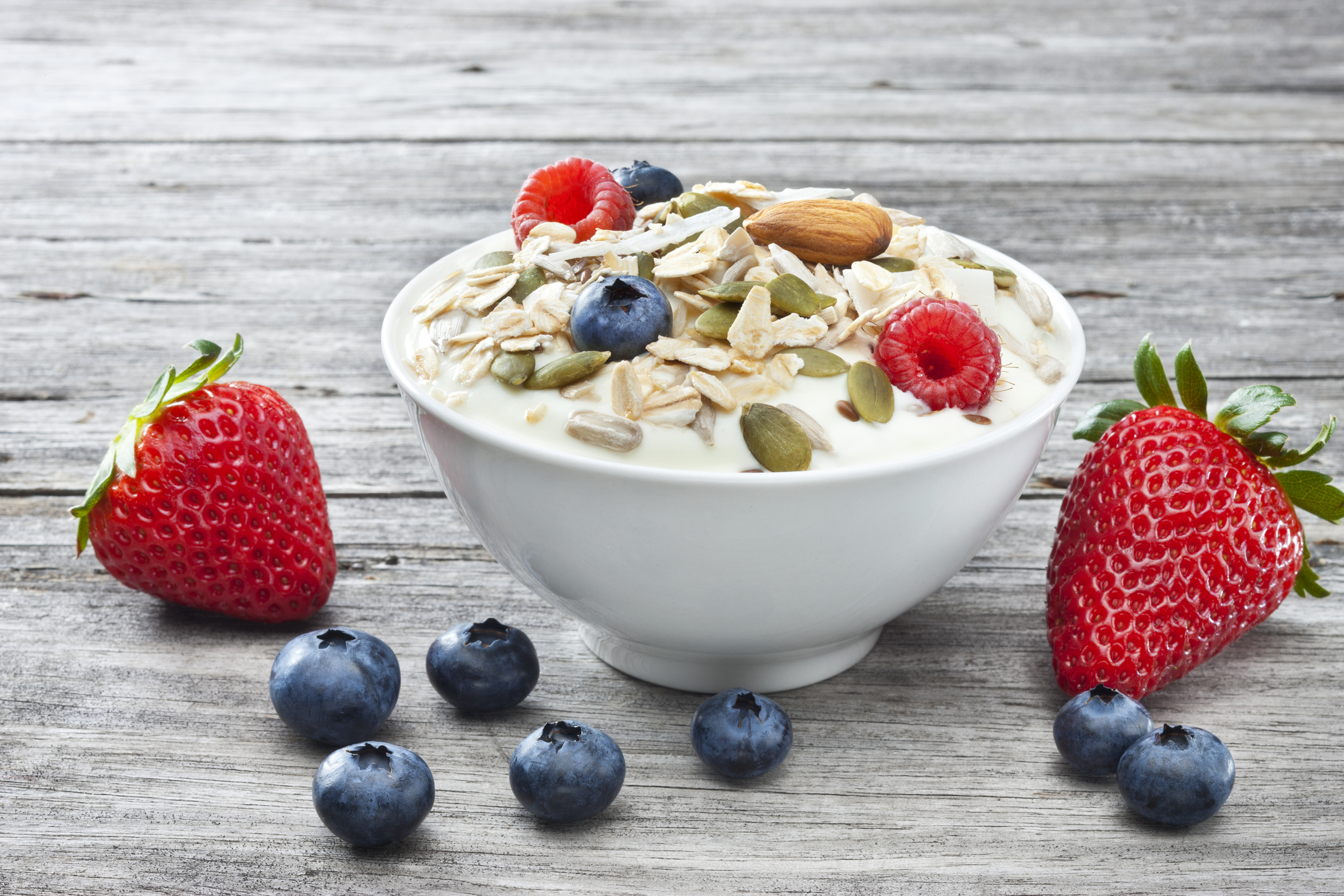
No doubt you’ve heard the call from health experts to eat a high-fiber diet. You’re probably aiming for the recommended target of about 25 grams of fiber daily for women, and 38 grams for men.
But you may also have heard that more fiber — lots more — is even better. After all, “fibermaxxing” is trending on social media, where health influencers often recommend intakes that more than double the current guidelines. And supermarket shelves are loaded with fiber-boosted yogurts, protein bars, and even sodas.
“People are talking about fiber the way they used to talk about protein,” says Caroline Arthaud, a registered dietitian at Harvard-affiliated Brigham and Women’s Hospital. “But fiber isn’t a nutrient where more is always better.”
So, how much fiber is too much?
Why fiber is so important for your health
Research consistently shows health benefits for diets that provide ample amounts of both insoluble fiber — which adds bulk as it moves through your digestive tract and helps keep you regular — and soluble fiber, which helps to slow digestion and steady blood glucose levels, while potentially lowering cholesterol levels. Fiber-rich diets are linked to better digestive health and weight management, as well as lower rates of heart disease, diabetes, and colorectal cancer. They also promote maintaining a healthy gut microbiome (the collection of microbes that live in the digestive tract, mostly in the intestines) — which helps maintain gut health and, possibly, support immune function and keep inflammation in check.
Since most Americans average just 16 grams of fiber daily, boosting fiber to the recommended 25- to 38-gram range is a healthy goal. “But there’s little evidence that continuing to increase your intake significantly beyond that will result in greater health benefits,” says Arthaud. “What we do know is that it’s likely to cause uncomfortable GI [gastrointestinal] side effects.”
Too much fiber: Symptoms and side effects
Problems arise when you try to amp up fiber too quickly, or simply eat a large amount of fiber at one time. Both can trigger bloating, gas, cramping, and diarrhea -- and, paradoxically, constipation if you don’t also boost your intake of fluids to help move things along. “Fiber absorbs fluid — especially soluble fiber,” says Arthaud. “If you increase one, you need to increase the other.”
Another symptom trigger: over-relying on fiber supplements and fiber-boosted foods. “A cookie with added chicory root fiber (inulin) isn’t nutritionally equivalent to naturally fiber-rich foods like beans, berries, or oats,” Arthaud notes. “Ironically, inulin is one of the more fermentable fibers, meaning it’s more likely to cause bloating and GI discomfort at higher doses.”
Large amounts of fiber can also interfere with the absorption of minerals like calcium, iron, and zinc, since fiber can bind to them in the digestive tract. While this isn’t an issue if you’re eating a variety of foods and spreading your fiber intake throughout the day, says Arthaud, “very high intakes -- especially when combined with a limited diet -- can modestly reduce absorption of certain minerals over time.”
How to increase fiber safely
Here are Arthaud’s tips for boosting your fiber intake without going overboard.
Favor food first.“Most whole plant foods contain a mix of soluble and insoluble fibers in varying ratios, and they help each other function,” she explains. By contrast, fiber supplements or fiber-boosted processed foods often supply only one isolated type of fiber.
Go slow. Increase fiber gradually -- for example, by around five grams per day. Try introducing one fiber-rich food -- say, a cup of cooked broccoli -- to a meal. Give your gut a few days to adjust, then add another five grams per day for a few days, increasing gradually until you reach the goal of 25 to 38 grams per day.
Spread it out. Consume foods high in fiber across meals and snacks throughout the day. “Your digestive system generally does better with fiber in installments rather than all at once,” says Arthaud.
Drink more water. Fiber needs fluid to do its job. Aim for the common recommendation of about 64 ounces (8 cups) of beverage intake per day.
Supplement smartly. If you need a little more help to meet your fiber goals, Arthaud recommends trying a tablespoon or two of chia seeds, which contain both soluble and insoluble fiber, protein, and other nutrients. Your doctor may also recommend you include a fiber supplement, such as psyllium husk (found in Metamucil).
Consider the big picture.“Think less about chasing a specific fiber number and more about building a diverse, plant-rich eating pattern,” recommends Arthaud. “The healthiest approach isn’t necessarily the highest-fiber diet; it’s the one that’s sustainable, varied, and well tolerated.”
(Joyce Hendley is a staff writer for Harvard Health Publications.)
©2026 Harvard University. For terms of use, please see https://www.health.harvard.edu/terms-of-use. Distributed by Tribune Content Agency, LLC.









Comments