Colorado votes on right to buy natural gas in US climate fight
Published in News & Features
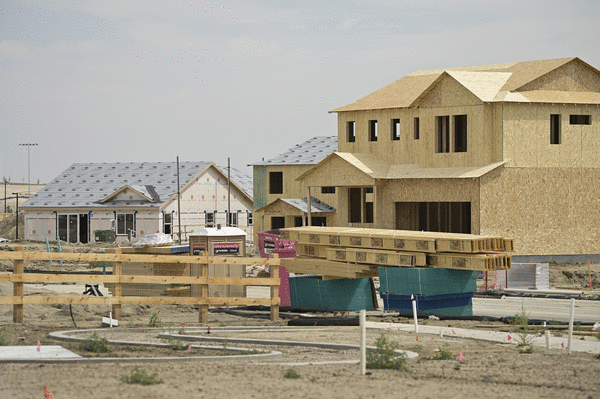
Colorado has spent years pursuing policies aimed at reducing its reliance on natural gas. Despite that, voters are now being asked to make it a right to buy the fossil fuel under the state’s constitution, a status no other such commodity has.
Natural gas heats more than two-thirds of homes in Colorado, which holds the eighth-largest reserves of the fuel in the country. Supporters of the measure, backed by a conservative nonprofit, say the right to buy and sell natural gas is needed to ensure people will always have choice in the type of energy they use.
Environmental groups and lawyers worry the measure will thwart Colorado’s long-term climate goals and spread similar proposals to other states. They also say it will open the door to a slew of litigation, while limiting the ability of governments to pass future energy laws.
Tuesday’s vote is the latest battle in the pushback to the clean-energy transition. U.S. President Donald Trump has moved to dismantle much of his two Democratic predecessors’ policies encouraging investment into renewable energy sources. Trump has supported expanding traditional energy sources and loosening environmental regulations. His latest proposal would scale back methane controls on oil and gas companies, changing the standards set by former President Joe Biden in 2024.
The proposed constitutional amendment goes further than any other state in protecting natural gas consumption, and is counter to the direction some other regions in the country are taking.
A similar measure in Washington state to ban state and local governments from discouraging the use of natural gas through building codes was passed by voters, but ultimately struck down by the state’s Supreme Court. And this week, Los Angeles, California’s largest city, moved to ban new oil and gas wells, while phasing out existing ones.
There hasn’t been public polling on the issue ahead of the vote, but conservative-aligned ballot measures have been shot down by the electorate over the past few election cycles, according to Ballotpedia. In 2021, voters rejected a proposition to reduce property tax rates supported by the Republican Party of Colorado, and in 2020, a prohibition on abortion after 22 weeks of gestational age did not pass.
In recent years, the Public Utilities Commission has implemented several clean energy mandates that will force natural gas utilities to cut greenhouse gas emissions in the coming decades through electrification and other methods. Companies including Xcel Energy Inc. and Black Hills Energy have submitted clean heat plans detailing decarbonization investments to meet the goals.
A representative for Xcel Energy said the company has not taken a position on the amendment. Black Hills Energy did not respond to a request for comment.
Democratic Governor Jared Polis has focused on transitioning to carbon-free electricity and the reduction of greenhouse gas emissions. He committed to achieving 100% renewable energy use by 2040, and has signed a number of bills to address climate change.
If the ballot measure is passed, it could stop the clean energy transition, according to Katharine DuVivier, a law professor at the University of Denver. It could also pave the way, she says, for companies to sue to stop electric-only development in places like Boulder, which prohibits fossil fuel use in most new construction projects.
“There are so many laws that we see as potentially vulnerable and that could be potentially challenged should this make its way into our constitution,” said Megan Kemp, a policy representative from environmental group Earthjustice.
The measure would not directly affect rates. But opponents argue the measure could increase costs for consumers, allowing natural gas utilities to increase their rates to support power-hungry data centers.
“They are overstating their need for new gas plants, new gas pipelines, and those costs will be passed onto consumers,” Kemp said. “If you look at Xcel’s current resource planning, a lot of the new energy needs are forecasted to come from these large-load data centers.”
Opponents also say oil and gas companies would have stronger legal arguments for building gas infrastructure, justifying a project because consumers have a right to natural gas. The utility commission’s attempts to regulate natural gas would be trumped by the constitution, according to DuVivier.
Supporters of the amendment say natural gas should be protected by the law to prevent the state from forcibly electrifying homes.
“That’s really where we’re coming from, is just protecting the existing asset, the existing infrastructure in people’s homes without having to completely rewrite the entire energy management of the state,” said Kit Pfeiffer, president of the Energy Freedom Alliance of the Rockies.
Roughly 70% of Colorado homes use natural gas to heat their homes, and it’s cheaper than electricity for heating, according to Pfeiffer.
“The public utilities commission and the legislature are passing laws and regulations that are limiting the ability to keep natural gas in your homes,” said Kristi Burton Brown, executive vice president of Advance Colorado. “That’s part of the impetus for this measure and what it would prevent is the PUC’s ultimate goal, which is to take natural gas out of the state by 2050.”
The amendment being voted decided on Tuesday, alongside more than a dozen other proposals in the midterm elections, requires 55% support to pass. If voters endorse the measure, there’s little historic precedent for it, DuVivier said. “This would elevate a private commodity to a new level, which would be a first in this country.”
_____
©2026 Bloomberg L.P. Visit bloomberg.com. Distributed by Tribune Content Agency, LLC.






Comments